Tag Archives: learn flowers arranging

how to become a florist

Finding Your Unique Floral Voice

How Do You Develop a Unique Floristry Style?

In a world of Pinterest boards and Instagram trends, it is easy to fall into the trap of copying what everyone else is doing. But true artistry requires honesty. Finding your unique floral voice means being honest about what you love, what moves you, and what kind of art you want to put into the world.

Designing with Authenticity

Your floral style should be a reflection of your personality. Whether you love bold, structural, avant-garde designs or soft, romantic, pastel clouds, your work will only stand out when it is authentically yours.

Tips for finding your honest floral voice:

  • Stop scrolling: Take a break from social media and look to architecture, fashion, or the natural landscapes for inspiration.

  • Experiment relentlessly: Try working with colour palettes or textures that intimidate you.

  • Trust your gut: If an arrangement feels finished to you, it is finished. Do not overwork it just to fit a traditional mould.

At Bloom College, we don’t just teach you how to copy our designs. We give you the foundational mechanics and business skills to turn your honest, unique vision into a thriving reality.

learn floristry

floristry courses online

how to become a florist

Embracing Imperfection in Floral Design

How to Overcome Perfectionism in Floristry

One of the most profound lessons nature teaches us is forgiveness. When beginners start their floristry journey, they often strive for perfect symmetry and flawless blooms. But nature is rarely perfect—and that is exactly where its beauty lies.

At Bloom College, we encourage you to forgive yourself for “mistakes.” A snapped stem or an asymmetrical shape is not a failure; it is an invitation to pivot your design and create something uniquely yours.

Finding Beauty in the Wild and Asymmetrical

Modern floristry celebrates the organic, wild, and untamed. Here is how to practice forgiveness in your art:

  1. Let the flower dictate the design: If a stem has a natural curve, do not force it to stand straight. Let it drape naturally over the edge of the vase.

  2. Embrace the “ugly” stages: Avoid procrastination and allow youreslf to create with flow, wait to view your completed design before judging the final outcome.

  3. Breathe through frustration: If an arrangement isn’t working, take a step back, forgive your hands for struggling, and try a different mechanical approach.

Let go of perfectionism. Enrol in a Bloom College course today and learn to design with freedom, grace, and self-forgiveness.

learn floristry

floristry courses online

flower therapy flowers

Cultivating Love Through Floral Gifts

Why Do We Give Flowers to the People We Love?

For centuries, flowers have been the universal language of love. When words fail, a carefully curated floral arrangement speaks volumes. It isn’t just about the monetary value of the gift; it is about the intention, time, and care woven into every single stem.

At Bloom College, love is a foundational value. We teach our students that when you create an arrangement for someone else, you are transferring your energy and affection into that design.

The Art of Intentional Gifting

Creating a bespoke arrangement for a loved one is a deeply personal process. Here is how to make your floral gifts more meaningful:

  • Learn their favourites: Pay attention to the colours and scents they gravitate toward in their daily life.

  • Incorporate meaning: Use the “language of flowers” (floriography). For example, red roses symbolise romantic love, while yellow roses symbolise friendship and joy.

  • Source locally: Show love to your community by sourcing seasonal blooms from local Australian or New Zealand growers.

Want to learn how to create unforgettable floral gifts for your loved ones? A floristry hobby course is the perfect place to start translating your feelings into floral art.

learn floristry

floristry courses online

The Therapeutic Power of Petals

Do Flowers Actually Improve Mental Health?

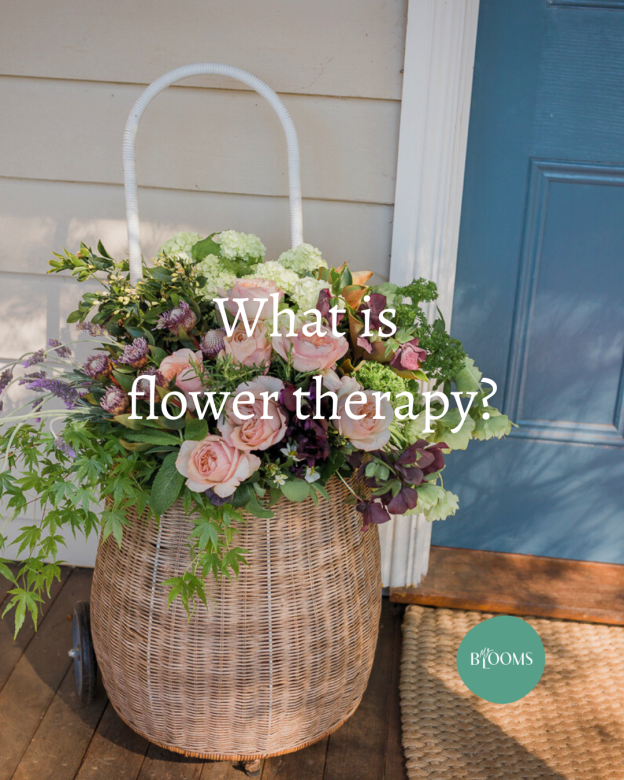
Yes, bringing fresh flowers into your living space or workspace directly correlates with improved mental health and reduced stress. As we champion the core value of health at Bloom College, we emphasize that floristry is not just about making things look pretty; it is about creating environments where people thrive.

Research conducted by Harvard Medical School and Massachusetts General Hospital found that the presence of fresh-cut flowers in the home makes people feel more compassionate, less worried, and significantly less depressed.

“Flowers emanate a positive frequency that can be felt, this is their invisible beauty”, Yvette Founder of Bloom College

How to Practice Therapeutic Floristry at Home

You do not need to be a professional to reap the health benefits of flowers. Here is how you can use botanicals to boost your well-being in no matter your location:

  1. Scent for Sleep: Keep lavender or chamomile near your bed; their natural aromas are proven to lower heart rates and promote restful sleep.

  2. Color for Energy: Place bright, warm-toned blooms (like yellow banksias or vibrant tulips) in your workspace to stimulate creativity and joy.

  3. Greenery for Focus: Incorporate lush green foliage to reduce eye strain and promote a sense of safety and calm.

When we prioritise our physical and mental health, our art flourishes. Join the Bloom College Flower Therapy course to learn how to design arrangements that nurture your well-being.

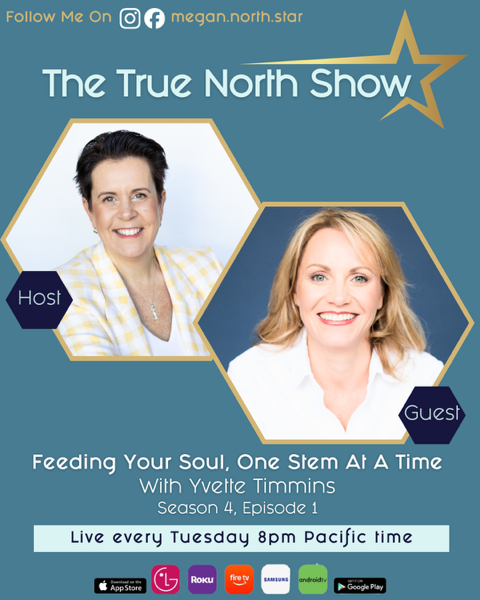
Watch Yvette’s interview on The True North Show

In this week’s episode of The True North Show, Megan sat down with Yvette, our of founder of Bloom College, to explore why flowers aren’t just decorative… they’re deeply restorative.
With more than 30 years in the industry, Yvette has moved from apprentice to shop owner to an industry leader, and now helps people learn floristry (and flower therapy) no matter where they live.⁠ ⁠ What unfolds is less a conversation about “arranging flowers” and more a gentle reminder that creativity is a form of care. Yvette shares how nature supported her through anxiety and depression, and how one small act in a hospital — giving her flowers away — became a moment she still carries as proof that beauty can shift a person’s inner world.⁠ ⁠ “Failure is not trying.”⁠ ⁠ The moment flowers became medicine⁠ ⁠ Yvette recalls being in hospital, overwhelmed with anxiety and guilt, surrounded by bouquets she couldn’t even take with her. When she gave flowers to another patient, the emotional change was immediate — a visceral reminder that flowers affect us mentally, emotionally, and physically.⁠ ⁠ Flowers, energy, and the body⁠ ⁠ Yvette explains her view that flowers carry distinct vibrations — and that different blooms can support different energetic centres. She speaks about working with rose energy for the heart, sunflower energy for vitality, and how flower therapy can be practiced through presence, imagery, and meditation.⁠ ⁠ Grounding isn’t a rulebook⁠ ⁠ The real takeaway is simple: your wellbeing practices should support your life, not control it.⁠ ⁠ The business grows as you do⁠ ⁠ Yvette’s new memberships blend floristry training with self-nurturing, because burnout doesn’t build beautiful businesses. Her philosophy is clear: your business can only expand as far as you’re willing to grow, soften, and listen inward.⁠ ⁠ As the episode closes, Yvette offers a truth she wishes she’d learned earlier: the answers are within – slow down, get into nature, and listen.⁠ ⁠ You can watch this episode and the full interview via the link in our bio⁠


Watch the Show

https://www.youtube.com/live/IrBi4RwegTw?si=0hcM6Jz4mcJeUC1_


Are you considering how you can benefit from having flowers in your life, but aren’t quite sure where to start? Book a free discovery call with Yvette –


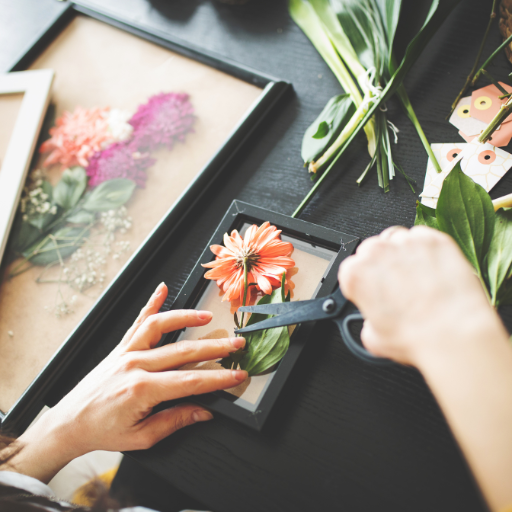
Everything You Need To Know About Flower Pressing

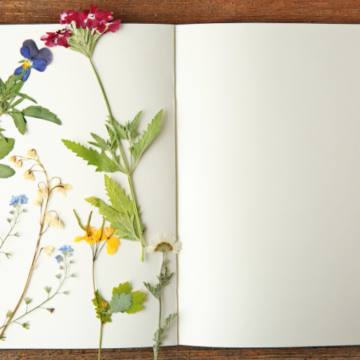
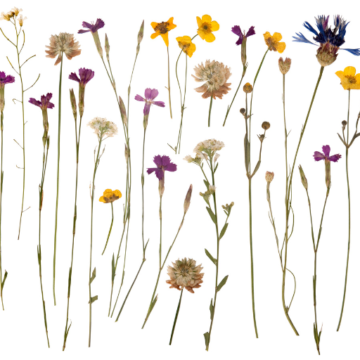
Flower pressing is a beautiful and delicate art form that has been practised for centuries. It involves preserving flowers by flattening and drying them, which can be used for a variety of purposes. It holds significant cultural and personal meaning, and is a popular hobby for many. Whether used for decorative purposes or as a therapeutic practice, flower pressing is a wonderful way to connect with nature and express creativity.
Did you know…


  • The oldest known flower press was discovered in a tomb in Egypt and is estimated to be over 1,500 years old.
  • Flower pressing was a popular pastime for Jane Austen, who often included references to pressed flowers in her novels.
  • In some cultures, such as Native American and Celtic cultures, certain flowers were believed to have spiritual and healing properties.
  • Flower pressing can be done with a variety of plants, including leaves, ferns and seaweed.


In this blog, we will explore the history, cultural significance, techniques, and dos and don’ts of flower pressing.
History and Cultural Significance of Flower Pressing


Flower pressing dates back to ancient Egypt, where flowers were pressed and dried as a way of preserving their beauty. This practice then spread to other cultures such as the Greeks and Romans. During the Renaissance period, flower pressing became a popular pastime for wealthy Europeans, who used the dried flowers to create intricate designs on paper.


Flower pressing has been used in various cultures for different purposes. In Japan, for example, flower pressing is known as Oshibana and is used to create traditional art forms. In Victorian England, flower pressing was used to preserve flowers for use in home decor and fashion accessories. In modern times, flower pressing is still used for decorative purposes, such as creating cards, bookmarks and wall art.


Flower pressing can also hold significant meaning for individuals. It can be used as a way of preserving memories of a special event, such as a wedding or anniversary, or as a way of commemorating a loved one who has passed away. Flower pressing can also be a therapeutic and meditative practice, allowing individuals to connect with nature and express their creativity.


Flower pressing is a popular hobby for many reasons. It is a simple and affordable way to create beautiful and unique pieces of art. It is also a great way to connect with nature and express creativity. Additionally, flower pressing can be a therapeutic and meditative practice, providing a sense of calm and relaxation.


Flower Pressing Techniques and Tips


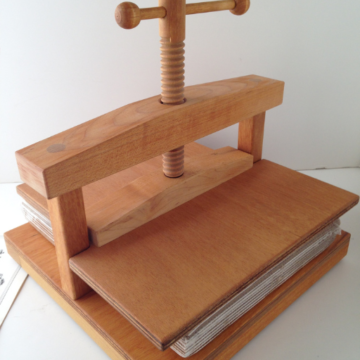
There are various techniques used in flower pressing, but the most common method involves placing the flowers between layers of absorbent material, such as paper or cardboard, and pressing them down with a heavy object. The flowers are left to dry for several weeks until they are completely flat and dry.
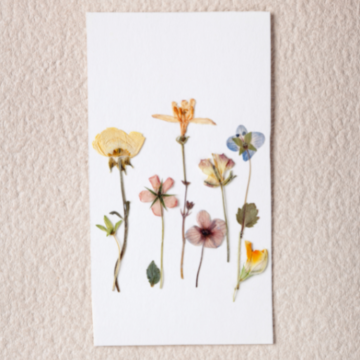
There are several dos and don’ts to keep in mind when flower pressing:


  • Do use fresh flowers that are in good condition.
  • Do choose flowers with flat surfaces that will be easier to press.
  • Do use absorbent materials such as paper or cardboard.
  • Do place the flowers in a warm, dry place for several weeks (4-7 weeks)
  • Don’t use flowers that are too thick or have a lot of moisture, as they may rot instead of drying.
  • Don’t stack too many layers of flowers on top of each other, as this can prevent them from drying properly.
  • Don’t use heavy objects that may crush or damage the flowers.
Interested in learning more about floristry as a hobby? Check out our latest eBook, Beyond The Basics eBook. It’s a go-to guide for any aspiring hobby florist!
 

Wedding Flowers Intensive Workshop

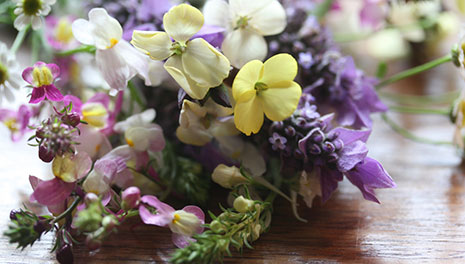
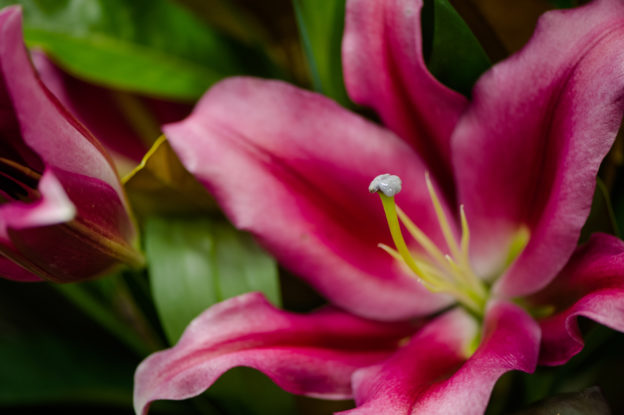
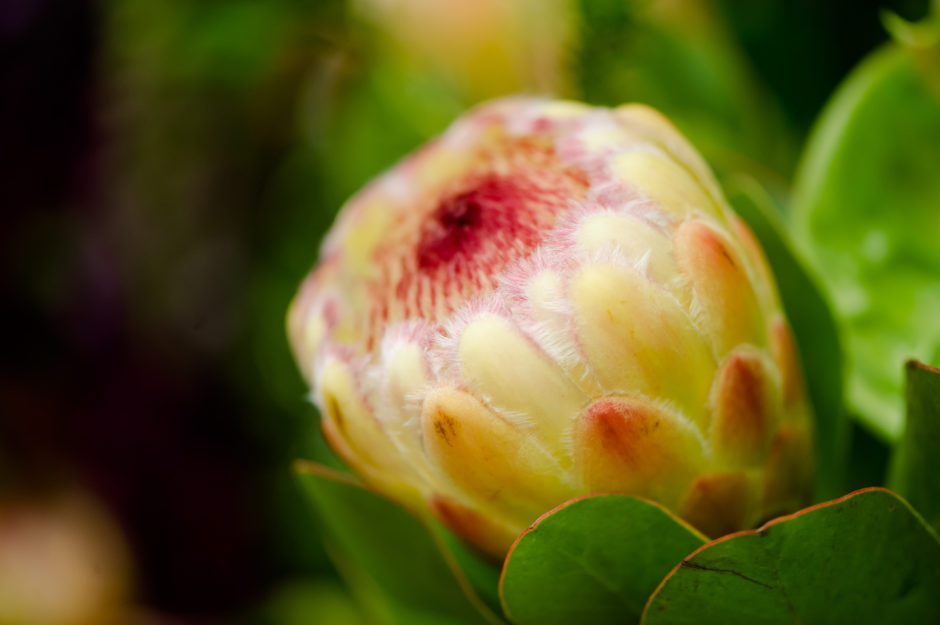
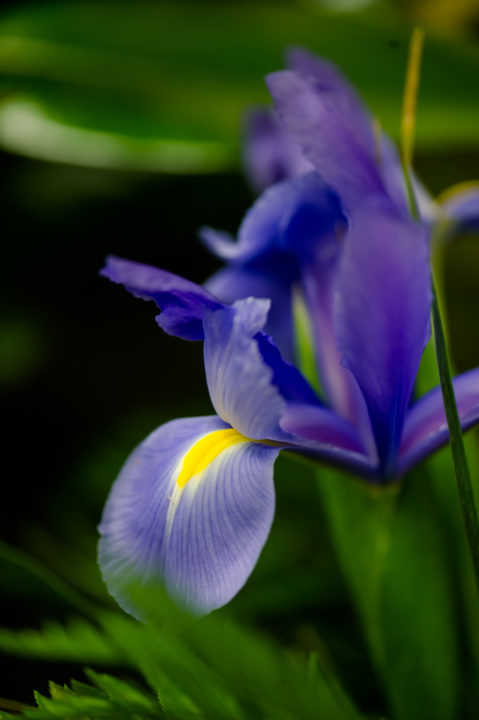
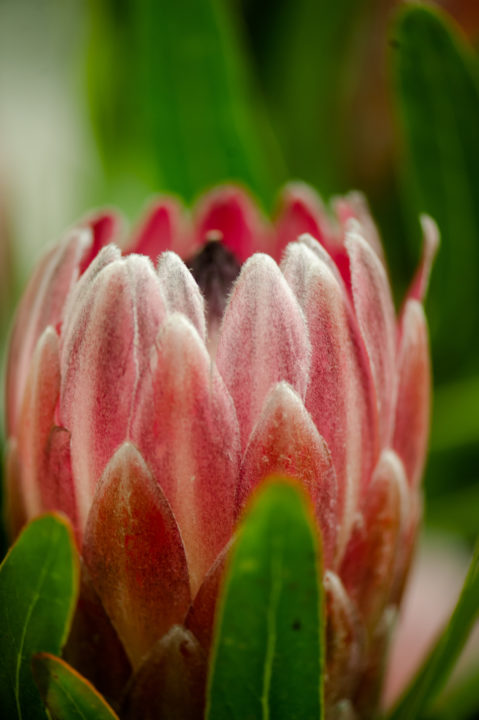
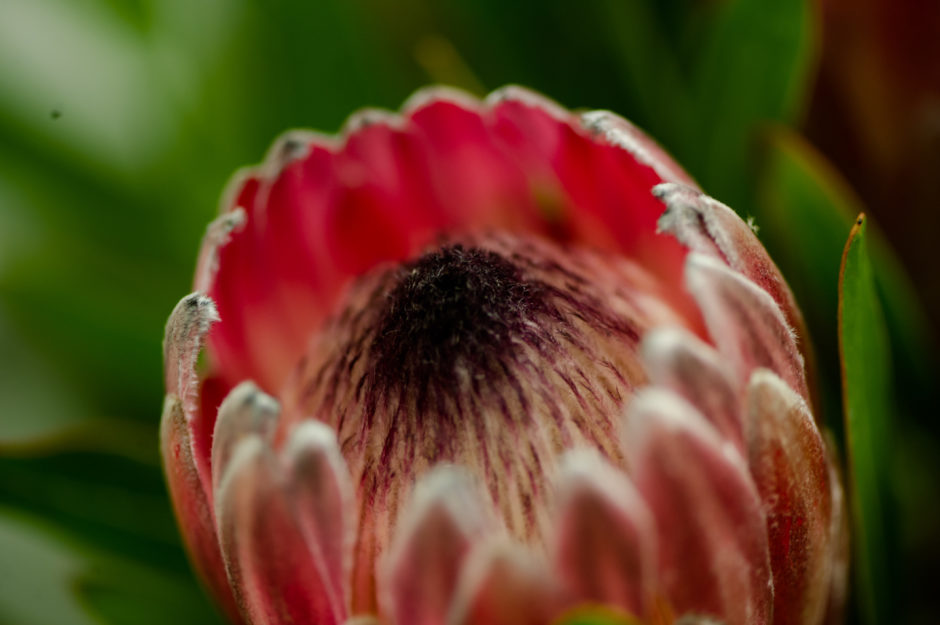
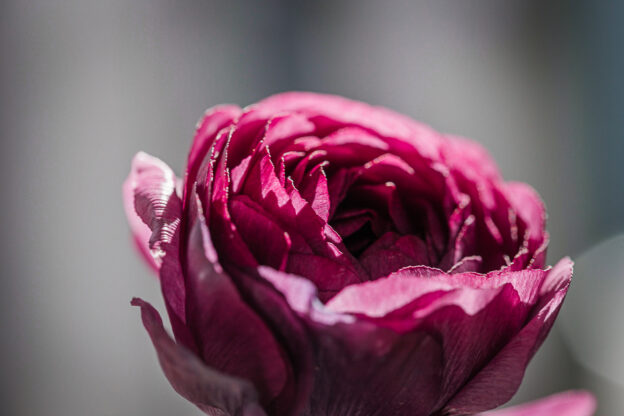
These stunning macro shots of the flowers used in a previous Wedding Flowers Intensive workshop were taken by @sarataylorphotos

For each Wedding Intensive workshop we run, we have a professional photographer document the experience and the photos can be used to promote yourself and your business or can just be a lovely souvenir to remember the experience by.

If you are interested in participating in the next workshop, click the link below to find out more!